Merica: A Bold, Handmade-Ready Embroidery Design
First Impressions: Confident, Clean, and Unapologetically Craft-Centric
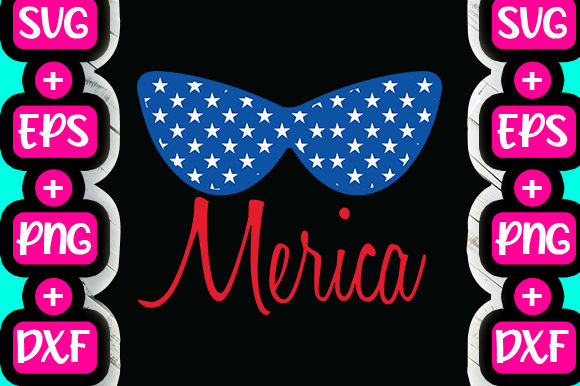
When I opened Merica for the first time—not as a digital file, but as a stitched sample on a heavyweight cotton tote—I felt that familiar spark: this isn’t just another patriotic graphic. It’s got weight, rhythm, and quiet intention. The layout is centered and balanced, with strong letterforms that don’t rely on excessive ornamentation to command attention. There’s no clipart clutter, no forced distressing—just clean lines, confident spacing, and a visual tone that lands somewhere between vintage Americana and modern maker pride. It reads as handmade *by design*, not by accident.
A Real Project Test: Embroidering Merica on a Linen-Blend Apron
Last week, I used Merica for a custom order: a navy linen-cotton apron for a small-batch bakery owner who wanted something warm, professional, and subtly patriotic—no flags, no eagles, just honest craft energy. I chose a medium-density satin stitch for the letters, backed with tear-away stabilizer and paired with a soft ecru thread. On that textured fabric, Merica held its shape beautifully. The curves stayed smooth, corners didn’t pucker, and the negative space between letters gave breathing room—not a tight, crowded look. Customers noticed it immediately at the farmers’ market. One said, “It feels like it belongs there.” That’s the goal: a design that enhances, not interrupts, the product it lives on.
Where Merica Shines—and Where It Needs Thoughtful Handling
Merica works exceptionally well for custom apparel, especially on structured, stable fabrics: sweatshirt embroidery, tote bag design, pillow covers, tea towels, and embroidered patches. Its bold silhouette translates clearly at 3–4 inches wide, making it ideal for chest logos, back-of-cap placements (with minor repositioning), or center-front baby onesies. As a machine embroidery design, it avoids fine interior details that would vanish in fill stitch or blur on stretchy knits—so it’s forgiving on t-shirts and lightweight polos when digitized with appropriate underlay and stitch direction.
That said, I’d pause before using Merica on ultra-thin fabrics like rayon challis or loosely woven gauze without extra stabilization. Its solid letterforms carry moderate stitch density, and on delicate surfaces, that can cause shadowing or stiffness. Similarly, on dark fabric, test thread contrast early: a light gray or cream thread reads warmer and more artisanal than stark white, which can look clinical. And while it’s versatile, Merica isn’t built for tiny hoop sizes (<4" diameter) without scaling down—those clean edges need room to resolve.
What It Adds to Your Finished Product—Beyond the Stitch
This isn’t just about legibility—it’s about resonance. When you embroider Merica on a kitchen towel for a holiday gift, it doesn’t scream “generic store brand.” It says “made with care, chosen with meaning.” That lifts perceived value for Etsy sellers and boutique owners alike. For craft businesses, it supports brand consistency without locking you into a single aesthetic: pair it with neutral linens for farmhouse charm, or with heather gray sweatshirts for urban casual. Customers engage more deeply with designs that feel intentional—not decorative filler.
I’ve also used Merica in printable mockups for client pitches. Because it’s delivered in SVG, DXF, EPS, and PNG, it scales crisply for digital previews—whether you’re showing a client how it’ll look on a cap or prepping a listing image for your small shop product page. That flexibility matters when you’re juggling multiple output formats across paper crafts, vinyl decals, and embroidery files.
Practical Notes Every Embroidery Designer Should Check
- Always test on scrap fabric first—especially if stitching on textured or layered garments like quilted jackets or reversible totes.
- Review stitch density in your embroidery software. If the original file lacks density info, assume medium coverage and adjust based on fabric weight.
- Confirm hoop size compatibility. Merica fits comfortably in a 5x7 hoop at standard scale—but verify before hooping live fabric.
- Inspect small details: are inner curves smooth? Do corners lock cleanly? Even simple lettering can ghost or distort if digitized poorly.
- Test black-and-white mockups. Does Merica retain impact without color? It should—its strength is in form, not palette.
- Compare light vs. dark fabric backgrounds. Thread choice changes everything: navy thread on light fabric reads classic; gold thread on charcoal reads luxe.
- Use proper stabilizer. Medium-weight cut-away works best for knits; tear-away is perfect for stable wovens like denim or canvas.
- Double-check licensing. Since Merica is categorized as a T-Shirt Design and Graphics asset, confirm whether commercial use—including selling finished embroidered items or bundling the file—is permitted before listing on Etsy or using in client work.
Final Thought: Merica Isn’t Just a Graphic—It’s a Craft Statement
In a sea of overdesigned, overprocessed graphics, Merica stands out because it trusts the maker. It doesn’t try to do everything—it does one thing well: anchor a project with grounded, confident presence. Whether you’re stitching it onto a baby blanket for a Fourth of July gift, branding a set of aprons for your café, or building a cohesive line of embroidered home goods, Merica supports your voice instead of competing with it. It’s the kind of digital embroidery file that makes customers pause, smile, and say, “I want that made *for me*.” And in today’s handmade economy—that’s worth more than pixels or profit margins.