Hap Hop Embroidery Design Review
First Impressions of Hap Hop
From the moment I laid eyes on Hap Hop, it struck me as a design that balances whimsy with versatility. The shape is simple yet engaging, with a playful, rounded form that suggests movement and energy. The layout is clean, making it ideal for a variety of embroidery projects. Its visual personality feels approachable, which makes it a strong candidate for custom apparel, baby items, or even holiday gifts.
The detail level is moderate, neither too intricate nor overly simplistic. This means it can work well in both small and larger hoop sizes, depending on the project. It doesn’t demand a lot of attention to fine lines, which is a plus for those looking for a design that’s easy to stitch and still looks great when finished.
Real-Life Use Cases for Hap Hop
Imagine you’re working on a custom embroidered tote bag for a client who wants something unique but not too flashy. Hap Hop would be a solid choice. It’s bold enough to stand out, yet not so detailed that it becomes overwhelming. The same applies to sweatshirts or t-shirts—especially for casual, lifestyle-oriented brands.
For baby items, like onesies or blankets, Hap Hop’s simplicity and softness make it a safe bet. It won’t look too busy on delicate fabrics, and its size allows for placement without overcrowding the design space. It also works well as an embroidered patch, especially if you’re creating custom patches for jackets, bags, or hats.
As a digital product seller, I appreciate how Hap Hop could be used in printable mockups. It’s a design that translates well into different formats, making it a useful asset for Etsy sellers or craft businesses looking to offer downloadable embroidery files.
Where Hap Hop Shines in Embroidery Projects
Hap Hop performs well in most standard embroidery scenarios. It’s suitable for custom apparel, including t-shirts, sweatshirts, and tote bags. Its moderate stitch density means it won’t cause issues on most fabric types, though it’s always wise to test it on scrap fabric first.
It works well on flat surfaces like pillow covers or tea towels, where the design can be centered and easily stitched. For caps or hats, it’s best to ensure the hoop size is appropriate and that the stabilizer is properly applied to prevent puckering or distortion.
In terms of visual appeal, Hap Hop has a clean, modern look that can elevate a handmade product. It adds value by offering a professional finish without requiring complex stitching techniques. This makes it a good fit for small shop merchandise or boutique branding efforts.
When to Be Cautious with Hap Hop
While Hap Hop is versatile, there are situations where it might not be the best choice. On small hoop sizes, the design may feel cramped, especially if the user is trying to include additional details. It’s also important to consider the fabric texture—on highly textured or stretchy materials, the design might not sit as smoothly as desired.
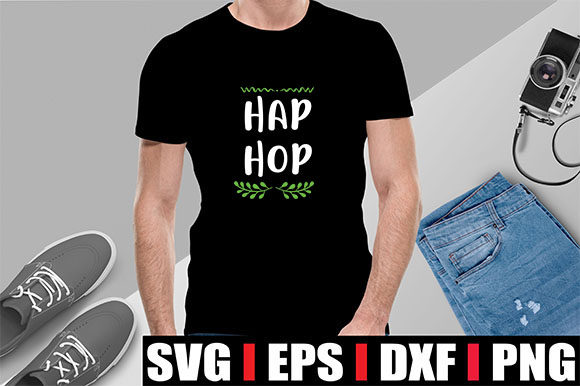
On dark fabrics, the contrast between the design and the background could be an issue, depending on the thread colors used. Thin or lightweight fabrics may require extra stabilizer to prevent the design from sinking into the material. If the design includes tiny lettering or decorative accents, those elements might not hold up well under frequent washing or heavy use.
For layered garments or curved surfaces like caps, Hap Hop’s shape might need some adjustment to ensure it lies flat and looks natural. In such cases, a little tweaking or resizing could make a big difference in the final appearance.
Impact on Product Value and Customer Perception
Using Hap Hop in your embroidery projects can enhance the perceived value of your handmade products. Its clean, recognizable style makes it appealing to a wide audience, which can increase customer trust and engagement. Whether it’s a personalized gift or a commercial item, the design adds a touch of professionalism that resonates with buyers.
It also supports brand consistency, especially if you’re building a collection of designs around a specific theme or aesthetic. Hap Hop’s versatility means it can be used across multiple product types, helping to create a cohesive look that strengthens your brand identity.
As a gift, Hap Hop has potential. Its friendly, approachable style makes it a good fit for holiday or wedding gifts, and its simplicity ensures it won’t go out of style quickly. It’s also a great option for personalized items, where the design can be paired with names, dates, or other custom elements.
Practical Designer Notes for Using Hap Hop
Before committing to a full project, I always recommend testing Hap Hop on scrap fabric. This helps you see how it looks in real life and identify any potential issues with stitch density or thread color contrast. It’s also a good idea to review the design in black and white mockups to understand how it will appear on different fabric backgrounds.
If you’re using Hap Hop for commercial purposes, check the licensing terms to ensure you’re allowed to sell finished items or digital products. Always use the right stabilizer for your fabric type, and make sure the hoop size matches the design’s dimensions to avoid unnecessary stress on the machine or the fabric.
For small business owners or Etsy sellers, Hap Hop can be a valuable addition to your design assets. It’s a design that’s easy to work with, visually appealing, and adaptable to a range of products. Just remember to keep your focus on quality, consistency, and customer satisfaction.
Final Thoughts on Hap Hop
Hap Hop is a design that offers practicality without sacrificing style. It’s a great choice for embroidery designers, crafters, and small business owners looking for a reliable, versatile file that can be used in a variety of projects. Whether you're creating custom apparel, personalized gifts, or digital products, Hap Hop has the potential to add value and appeal to your work.
As with any machine embroidery design, it’s important to approach Hap Hop with care and attention to detail. By following best practices and considering the specific needs of your project, you can ensure that the final product meets your expectations and exceeds your customers’.