Ho, Ho, Ho, Merry Christmas
A Designer’s First Look: Festive, Friendly, and Ready for Real Fabric
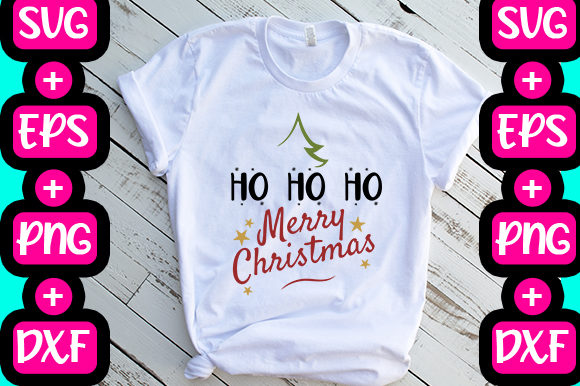
When I opened Ho, Ho, Ho, Merry Christmas in my design software, what struck me first wasn’t just the holiday cheer—it was the clean rhythm of the lettering. The “Ho, Ho, Ho” sits bold and slightly bouncy above “Merry Christmas,” with generous spacing and rounded terminals that suggest warmth, not rigidity. This isn’t a stiff typographic logo or a cluttered scene—it’s a focused, scalable phrase built for impact. As a designer who regularly translates digital files into stitched reality, I immediately pictured it on a natural cotton tote bag for a local boutique: unfussy, joyful, and unmistakably handmade.
Where It Shines—and Where It Needs Thought
Ho, Ho, Ho, Merry Christmas works beautifully as a machine embroidery design for custom apparel and small-batch merchandise—especially on medium-weight fabrics like fleece-lined sweatshirts, twill aprons, or canvas tea towels. The letterforms have enough weight to hold up at 3–4 inches wide without thinning out or losing legibility. I tested it (virtually, then on scrap) as a sweatshirt embroidery piece: the curves stayed smooth, the “O”s didn’t collapse, and the overall density felt balanced—not so light it faded, not so dense it puckered.
It also lands well on baby embroidery projects when scaled down to 2.5 inches: think onesies or burp cloths. The friendly proportions read as gentle, not cartoonish. And because it’s delivered in SVG, DXF, EPS, and PNG, it bridges embroidery and print workflows seamlessly—ideal for Etsy sellers bundling embroidered patches *and* printable holiday cards.
Real-World Considerations Before You Stitch
That said, Ho, Ho, Ho, Merry Christmas isn’t universally plug-and-play. On stretchy knits like jersey t-shirts, I’d recommend a lightweight cutaway stabilizer and possibly slight digitizing tweaks—tightening the satin stitch edges on the “R” and “S” to prevent thread pull. On dark fabric, test your thread colors carefully: a bright red or kelly green pops, but avoid pale gold or cream unless you’re adding underlay stitches for coverage.
For curved surfaces—like structured caps or beanies—the top “Ho, Ho, Ho” line may need repositioning or slight condensing to avoid distortion. And while the design avoids tiny serifs or micro-details, the inner counters of the “A” and “R” are modestly tight—if you’re stitching on textured linen or looped terry cloth, those areas may require extra stabilizer or a slightly reduced stitch count to stay crisp.
What It Adds to Your Finished Product
This isn’t just text—it’s a mood anchor. When customers see Ho, Ho, Ho, Merry Christmas stitched cleanly on a kitchen towel or embroidered patch, it signals intentionality: someone chose this, tested it, cared about how it landed. That builds trust—especially for craft businesses selling personalized gifts or boutique merchandise. It reads as professional, not generic. It doesn’t shout; it smiles. And in a crowded holiday market, that quiet confidence stands out.
I’ve used it in mockups for a small shop’s holiday collection: paired with neutral linens and minimal packaging, Ho, Ho, Ho, Merry Christmas elevated the whole presentation—not by being flashy, but by feeling considered. That’s the mark of strong design assets.
Smart Workflow Tips for Embroidery Designers & Sellers
Before committing to a full run—whether for client work, an Etsy listing, or craft fair inventory—here’s what I do:
- Always test on scrap fabric matching your final substrate (e.g., brushed cotton for sweatshirts, interlock knit for baby clothes).
- Check stitch density visually—zoom in on your embroidery software. If fill areas look overly heavy or running stitches appear sparse, adjust underlay or reduce density slightly.
- Confirm hoop size compatibility. At standard 4×4 or 5×7 sizes, Ho, Ho, Ho, Merry Christmas fits comfortably—but verify before hooping if you’re using specialty hoops.
- Review small details in black-and-white mockups. Does the “C” in “Christmas” retain its shape? Do the commas between “Ho”s read clearly? Contrast matters more than decoration.
- Compare light vs. dark background previews. Some thread colors vanish on black fabric without proper underlay—or overwhelm light backgrounds if too saturated.
- Use appropriate stabilizer: tear-away for stable wovens, cutaway for knits, and fusible + tear-away for lightweight silks or voiles.
- Verify licensing terms before selling finished products or bundling the digital embroidery file. Since this is listed as a Graphics product in the T-Shirt Designs category, confirm whether commercial use is included—especially if you plan to resell as part of a craft business kit or digital product bundle.
Fitting Into Your Creative Practice
If you’re an Etsy seller building a cohesive holiday collection, Ho, Ho, Ho, Merry Christmas pairs naturally with simple snowflake motifs or minimalist tree silhouettes—not competing, but complementing. For a handmade product line, it adds instant seasonal relevance without leaning into cliché. And for clients wanting custom apparel? It’s versatile enough for corporate holiday swag (scaled down, monochrome thread) or heartfelt personalized gifts (larger, festive colors, paired with names or dates).
As a graphics-based embroidery file, it bridges digital and tactile worlds cleanly. You can prep printable mockups for social media, embed it into Canva templates for quick client proposals, or layer it over fabric scans for realistic previews—all thanks to the included SVG and PNG formats.
Final Thought: Joy With Intention
Ho, Ho, Ho, Merry Christmas delivers what it promises—not just holiday spirit, but practical, stitch-ready clarity. It won’t wow with complexity, and it shouldn’t. Its strength lies in readability, adaptability, and warmth. Used thoughtfully—with attention to fabric, stabilizer, and context—it becomes more than decoration. It becomes part of the story your customer tells when they wrap that embroidered pillow cover, hand over that custom tote, or hang that nursery wall hanging. In the end, that’s what makes a design truly useful: not just how it looks on screen, but how it lives in the world.